─── Learn · Practice · Transform
Pranayama
Transform the breath into a practice of awareness.
Pranayama is the traditional yogic practice of conscious breath regulation, using specific breathing techniques to cultivate awareness, steadiness and a deeper connection between body and mind.

What Is Pranayama?
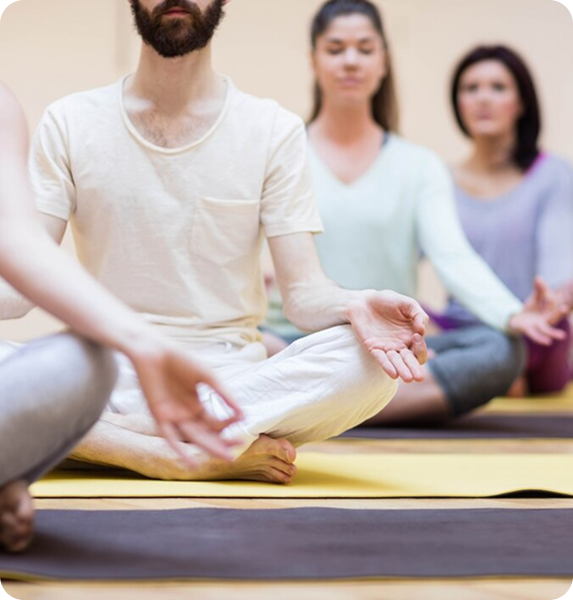
The practice of conscious breathing
Pranayama goes beyond simply taking deeper breaths. It involves observing, regulating and refining the breath through traditional yogic techniques.
With appropriate guidance, pranayama can become an important part of a wider yoga practice, supporting concentration, relaxation, breath awareness and preparation for meditation.
─── Curated Practices
The Pranayama Practice
Explore the power of the breath
Breath Awareness
Learn to observe the natural breath and develop greater sensitivity to its rhythm, depth and quality.
Breath Regulation
Explore traditional techniques that introduce conscious control and regulation of the breath.
Alternate Nostril Breathing
Practise traditional techniques such as Nadi Shodhana with attention to breath, rhythm and concentration.
Meditative Breathing
Use refined breathing practices to cultivate steadiness, focus and preparation for meditation.
─── Curated Practices
The Yogashala Approach
Breathe with awareness
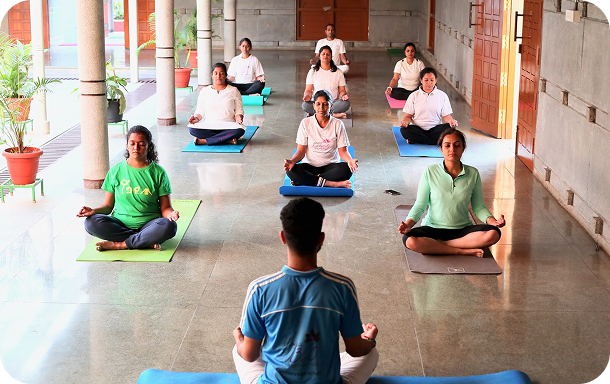
At Yogashala, pranayama is approached progressively. We focus on developing a strong foundation in breath awareness before introducing more refined techniques.
Each practice is taught with attention to posture, breathing patterns, comfort and individual readiness.
Awareness
Begin by observing the breath without forcing or changing it.
Technique
Learn traditional breathing methods with clear and appropriate instruction.
Control
Gradually develop greater awareness and control of the breath.
Stillness
Use the breath as a bridge towards concentration, meditation and inner awareness.
What To Expect In A Yogashala Class
A guided journey into conscious breathing
01
Prepare
Settle into an appropriate posture and bring your attention to the natural breath.
02
Observe
Develop awareness of your breathing pattern before introducing specific techniques.
03
Practise
Learn and practise selected pranayama techniques with appropriate guidance.
04
Integrate
Allow the breath to settle and experience the stillness and awareness that follow the practice.
─── Curated Practices
Who Is Pranayama For?
A practice for anyone ready to explore the breath more deeply
Pranayama can be explored by beginners and experienced practitioners alike, with techniques adapted according to individual experience and readiness.
Yoga Beginners
Develop a foundation in breath awareness and discover an important dimension of traditional yoga.
Regular Yoga Practitioners
Deepen your practice by bringing greater awareness of breath into asana and meditation.
Meditation Practitioners
Explore the breath as a foundation for concentration, stillness and meditation.
Dedicated Practitioners
Develop a more refined understanding of traditional pranayama techniques through consistent practice.
Testimonials
What our students say.
Yogashala is more than just a yoga studio—it’s a sanctuary for inner peace and strength. The serene atmosphere and expert instructors make every session a rejuvenating experience. I leave each class feeling balanced and energized. Yogashala truly embodies holistic wellness.
— Elena Vance, Founder & Teacher
─── About the founder
Meet “Founder Name”

Dar Amani is built from organic plaster, lime wash, and sustainably harvested hinoki pine. No mirrors, no aggressive acoustics, only natural light filtered softly through Belgian linen to let your attention stay entirely within.
After every morning flow, we brew a seasonal organic herbal tea blend designed to ground your practice and extend your ease into the day. After every morning flow, we brew a seasonal organic herbal tea blend designed to ground your practice and extend your ease into the day.
After every morning flow, we brew a seasonal organic herbal tea blend designed to ground your practice and extend your ease into the day.
After every morning flow, we brew a seasonal organic herbal tea blend designed to ground your practice and extend your ease into the day.
After every morning flow, we brew a seasonal organic herbal tea blend designed to ground your practice and extend your ease into the day.
FAQs
What is Pranayama in yoga?
Pranayama is the traditional yogic practice of consciously observing and regulating the breath through specific breathing techniques.
Is Pranayama suitable for beginners?
Yes. Beginners can start with simple breath-awareness and foundational techniques. More advanced practices should be introduced progressively under appropriate guidance.
Do I need to know yoga before learning Pranayama?
No. Previous yoga experience is not necessarily required. Pranayama can be introduced as a standalone practice or alongside asana and meditation.
What are some common Pranayama techniques?
Traditional yoga includes a wide range of techniques, including Nadi Shodhana, Bhramari, Kapalabhati and other forms of regulated breathing. The appropriate technique depends on the practitioner’s experience and individual circumstances.
How often should I practise Pranayama?
Consistency is generally more valuable than intensity. Your teacher can recommend an appropriate practice frequency and duration based on your experience and the techniques being taught.
Can Pranayama help with stress and relaxation?
Certain gentle breathing practices are traditionally used to cultivate calmness, relaxation and mental steadiness. Techniques should be learned appropriately and practised without forcing the breath.
Learn · Practice · Transform
Discover the practice within your breath.
Learn traditional Pranayama techniques with guidance, awareness and a gradual approach to developing your breath practice.